It's hard for me to update this website constantly with all of the new drum lessons I am making, so I figured I would make a playlist where I can update it when I upload a new lesson video.

Friday, March 15, 2024
Monday, November 27, 2023
Dua Lipa "Houdini" free drum lesson
I decided to make a drum lesson for my students of this great song by Dua Lipa. I hope you find this useful!
Saturday, November 18, 2023
Jason Bonham performing with a Roland TD-50 on Howard Stern with Sammy Hagar
It is always super cool to see a well known drummer using a full e-kit live, and that is exactly what legendary drummer, Jason Bonham did with the mind blowing Sammy Hagar band along with Michael Anthony and Joe Satriani. How did it sound? I think pretty damn good! But I think Michael Anthony could have been a bit louder, though that is nothing to do with the drum sound. Jason is an awesome drummer that doesn't get enough credit due to being in the massive shadow of his dad, John Bonham. I loved watching him perform on this Roland kit.
I've been a fan of Sammy Hagar since I was a kid and loved his work with Van Halen. This Howard Stern performance was to announce their tour next year where they will be playing classing VH Material. Sammy also invited David Lee Roth as well as Alex Van Halen to join them anywhere on tour publicly on the air. I would be simultaneously amazed and surprised if one of them actually shows up on some of these dates, and completely mind-blown if both do. I really hope they do. The fans would absolutely love this.
Anyway, Van Halen were no stranger to e-drums, since Alex played electronic drums on 2 of VH's most seminal albums, 1984 and 5150! I absolutely love Alex's hybrid sound of Simmons electronic toms and kick with his signature Ludwig snare sound and Paiste cymbals.
Tuesday, November 14, 2023
Playing a Roland TD-07 A2E Live with Demonic Sweaters
Demonic Sweaters performing live at Hidden Hemp in Brooklyn, NY. Electronic drums, no amps, fully digital performance! Follow Demonic Sweaters on Spotify https://open.spotify.com/artist/6FNgcaIJ1PGGcDmQFU53tb?si=1FYtkoqySjqA0rO1RB18ew. Special thanks to Connie and Giovanni Garcia for the footage to help complete this video! Also thanks to David and Hidden Hemp for letting us put on the event!
Saturday, October 7, 2023
Expanding the Alesis Nitro Mesh to a monster 13 piece drum kit!
Check out this amazing step by step video by Kevin Williams on how he expanded his Alesis Nitro Mesh to a compact monster drum kit!
Thursday, May 4, 2023
What are the Best Electronic Drum Modules for A2E conversion?
I get asked this all the time. What are the best electronic drum modules to buy for acoustic to electronic drum projects? Can you just use the Alesis Nitro/Surge module for A2E?
Let's answer the second question first. No.
Well, yes you can, but it won't be great. Alesis Nitros, or really ANY Alesis module will not make a good A2E module because of its lack of parameter adjustments which allow you to fine tune triggers. Your results with an Alesis module will likely be horrible to 'sort of okay'. That being said, avoid Alesis modules.
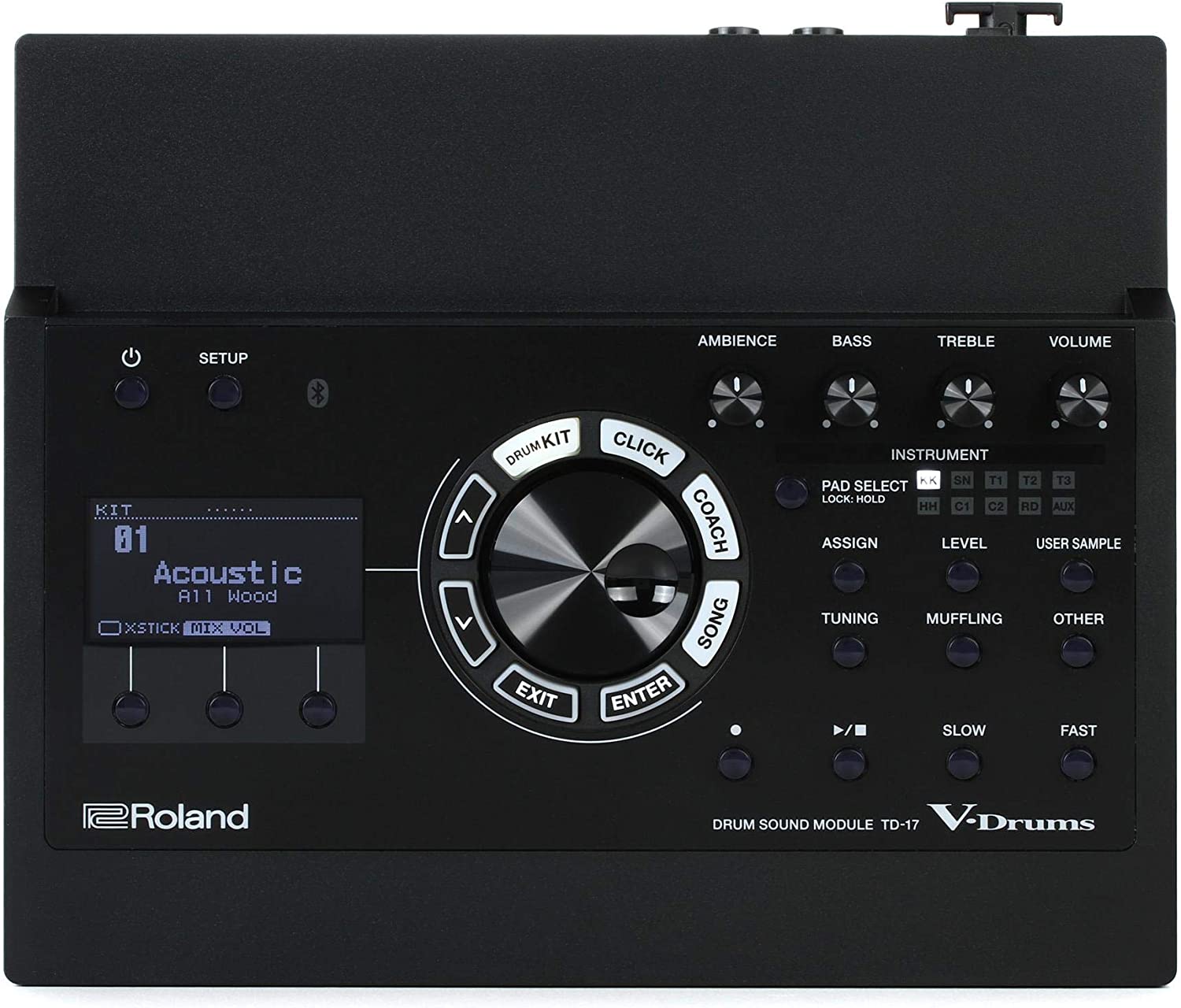
Here's a list of modules I like and that I think make great A2E modules.
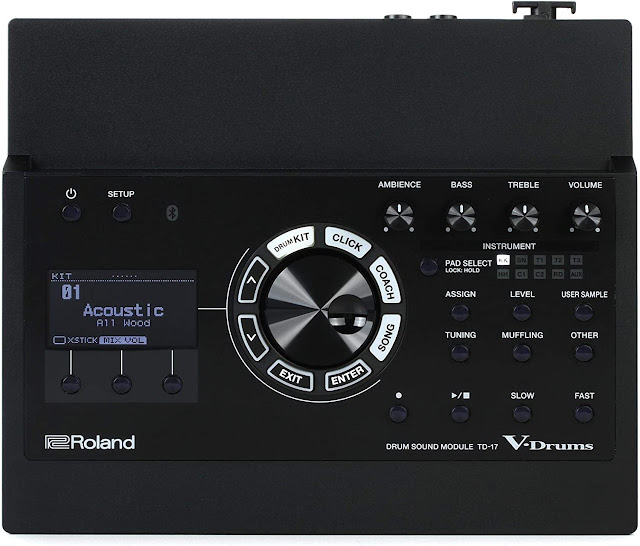
- Roland TD-17 - The Roland TD-17 is a moderately priced module that has excellent built-in sounds, USB audio/midi, sample import, and is all around the best module you can get in its price range in my opinion. Personally, I would even place it above the TD-27 because of its price advantage, and I had better luck with configuring acoustic triggers with it.
- ATV XD3 - While not nearly as full featured as the TD-17, the ATV XD3 has extremely low latency and excellent onboard sounds. It is about half the price of the TD-17 as well. A wide variety of triggers will work with it as well. Even though there are little trigger adjustments (even less than Alesis!) it seems to do just fine with just about any trigger you connect to it. Simplicity is its strength!
- Roland TD-8 - The Roland TD-8 is an older module, lacks USB, but has standard MIDI i/o. The sounds are a little dated, but also some of them are quite nice. It has 4 individual analog outputs, a ridiculous amount of onboard sounds ranging from acoustic, to percussion, and electronic. It also has man of Roland's V-Drum editing parameters such as shell depth, tension, head type and room ambience. (the TD-17 has all of these too). You can usually find them for under $400. It also features many individual inputs without using a cable snake.
- Roland TD-6 - BEST BANG FOR YOUR BUCK! The TD-6 has the exact same sounds as the TD-8, but with less editing features and a smaller screen and less outputs. However, that being said, you can usually find the TD-6 for under $200 which makes it a great choice for A2E. It has a lot of inputs, and the onboard sounds are very decent.
- Roland TD-27 - If you're looking for a flagship module that isn't $3k, then the TD-27 is for you. While personally I do not like it as much as the TD-17, it does have advantages such as multitrack USB audio, more onboard sounds, and editing features. In addition to that, it is actually newer than Roland's official flagship module, the TD-50, which I think does not sound nearly as good as the TD-17 or TD-27.
Based on this list, I encourage you to research all the specific features for each module to figure out which one is right for you. But I have personally tested all of the modules in this list with A2E projects, and all of them work very well. I hope this list helps!
Thursday, March 2, 2023
The Paiste PST7 Light Hi Hats are the budget Giant Beat Hi Hats! PROOF!
I had been eyeing the PST7 Light Hats for some time now, and finally picked up a pair about a week ago. I have always loved the light and hissy white noise of the Giant Beat hi hats, but never could justify spending that much money ($400) on a pair of hi hats.
I had a PST7 Light Ride in the past, and liked it, but didn't love it, but when I started hearing demos of the PST7 Light Hats, the first thing I thought of was Giant Beats!
Don't believe me? Check out this link to a "Sound Room" on Paiste's website where I added the two 14" models. While not EXACTLY the same, they are very near 90% identical. The pitch is very close, and I think they must be around the same weight. My PST7s are 788g/1059g. Which is a very nice weight.
I can honestly say that neither sound better than the other in my opinion based on those sound samples, With my eyes closed I would probably just think they are two different cuts of the same model hi hat. Also it should be noted that the person demoing the hats clearly hit them differently. The PST7s are bing hit with the shoulder of the stick on the edge of the hat most of the time, and the GB player is using the tip of the stick.
The other day I took the PST7s to the studio and recorded them, and was blown away by them. They sound perfect to me. Great articulation with no harsh or weird overtones, and they have that cool 'white noise, hissyness' that I love so much about the Giant Beats! Check out the recording below! Pick up a pair of PST7 Light Hi Hats here! They're only $169 brand new!
Thursday, February 23, 2023
Clone Hero Electronic Drum Mapping Key
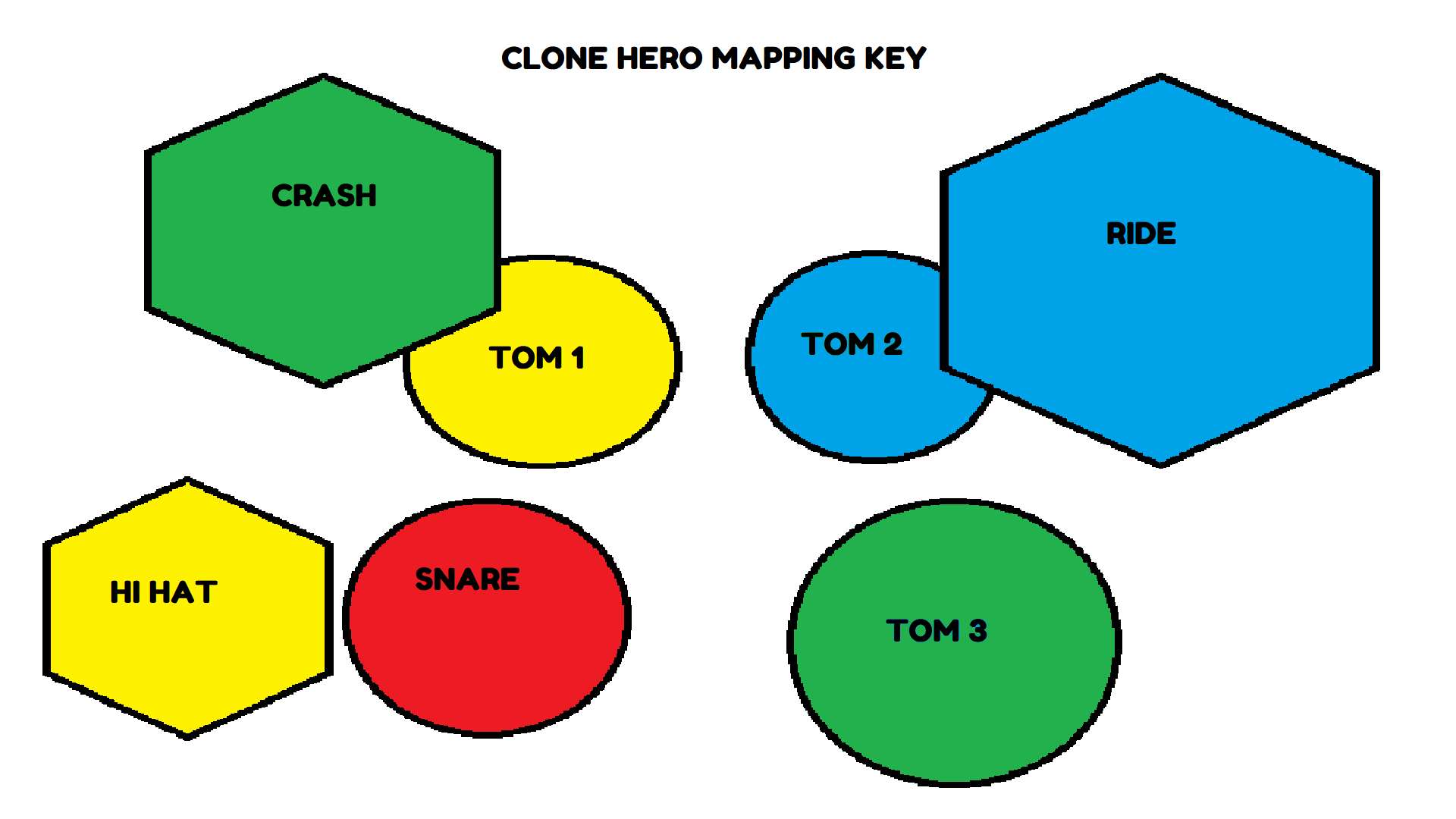
This will help you select the correct pad while mapping your drums in Clone Hero.
Saturday, February 18, 2023
What is a DAW?
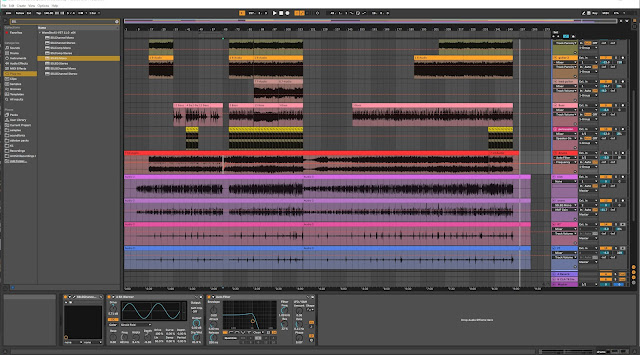
Digital Audio Workstations, or DAWs for short, are powerful tools that allow music producers and audio engineers to record, edit, mix, and master digital audio. They have become an essential part of the music production process, and with so many DAWs available on the market, it can be difficult to choose which one to use. In this blog post, we'll cover the basics of DAWs, their key features, and popular DAWs in the music industry.
What is a DAW?
A Digital Audio Workstation (DAW) is a software application that is used to record, edit, and produce audio files. It provides a graphical user interface that allows you to manipulate audio files visually. A DAW can be used to record audio from microphones, electronic instruments, or digital audio sources, and then process and manipulate that audio to create a final mix.
Key Features of a DAW
DAWs come with a range of features that allow you to manipulate audio in various ways. Here are some of the key features you can expect to find in a DAW:
Audio recording: You can record audio directly into a DAW using a microphone, audio interface, or other audio input device.
MIDI sequencing: DAWs can be used to sequence MIDI notes and control virtual instruments or external synthesizers.
Audio editing: You can cut, splice, and manipulate audio files in a DAW, making it possible to remove unwanted noise, adjust the timing of audio, and create loops.
Mixing and mastering: DAWs come with a range of mixing tools that allow you to adjust levels, apply effects, and create a final mix. Mastering tools allow you to further refine the audio quality and prepare it for distribution.
Plugin support: DAWs can support a range of plugins, which can be used to add effects, virtual instruments, or other processing tools.
Popular DAWs in the Music Industry
Ableton Live: Ableton Live is a popular DAW used in electronic music production, but it's also used in other genres. It's known for its Session View, which allows you to trigger audio clips in a non-linear fashion.
Pro Tools: Pro Tools is a popular DAW used in professional audio recording and mixing. It's known for its advanced mixing and editing features and is often used in post-production and audio-for-film work.
Logic Pro: Logic Pro is a popular DAW used by many professional audio engineers and music producers. It's known for its easy-to-use interface and its built-in virtual instruments and plugins.
FL Studio: FL Studio is a popular DAW used in electronic music production, and it's known for its easy-to-use interface and built-in virtual instruments and effects.
Conclusion
DAWs have become an essential tool in music production and audio engineering. Whether you're a beginner or a professional, there's a DAW out there that can meet your needs. By understanding the key features of a DAW and exploring popular options, you can find the right DAW for your music production needs.
Wednesday, February 8, 2023
Vintage Cymbals: The Timeless Sound of Music History
If you're a drummer, you know that the cymbals you use can greatly impact the sound of your performance. In recent years, there's been a resurgence of interest in vintage cymbals, and for good reason. Not only do these classic instruments offer a unique sound, but they also hold a special place in music history.
So, what are vintage cymbals, and why are they so special? In simple terms, vintage cymbals are those that were made many years ago and have stood the test of time. These cymbals were crafted by hand, often using different techniques and materials than those used today. The result is a sound that is rich, warm, and full of character.
One of the things that makes vintage cymbals so unique is the process of aging. Over time, the metal in the cymbals undergoes a process of oxidation, which changes its molecular structure. This results in a change in the sound of the cymbal, giving it a warmer, more organic quality.
Vintage cymbals also offer a connection to the past. Many famous drummers have used vintage cymbals throughout their careers, and these instruments have been featured on countless recordings over the years. By using vintage cymbals, you're tapping into a rich musical heritage and making a connection with the great drummers of the past.
Of course, vintage cymbals aren't for everyone. They often have a lower pitch and a more complex tone than modern cymbals, which may not be suitable for all playing styles. Additionally, vintage cymbals can be difficult to find and can be expensive.
However, if you're a drummer who values the unique sound and historical significance of vintage cymbals, then these instruments are definitely worth considering. Whether you're a seasoned professional or just starting out, vintage cymbals offer a timeless sound that will add depth and character to your playing.
In conclusion, vintage cymbals are a special type of cymbal that offer a unique sound, rich musical heritage, and a connection to the past. Whether you're a drummer or just a music lover, vintage cymbals are a fascinating and important part of music history.
Wednesday, February 1, 2023
Save 15% off on Melodics drum learning app!
Get 15% off monthly or annual subscription fees for Melodics at https://melodics.grsm.io/alternativedrummer and use the code "AFFILIATE-JANFEB".
There is no better app for learning the drums! I personally use this with my students and it works wonders! I will keep this coupon updated, but if for some reason it is expired, comment below and let me know and I'll fix it!
Monday, January 23, 2023
We're now an add-free site!
I turned off my adblocker and saw how awful this site looked with all the ads, so I decided it's just not worth it. I disabled all ads!
Wednesday, December 28, 2022
Jamie Wollam of Tears for Fears walks us through his amazing hybrid drum setup
Tears for Fears are one of those bands whose musicianship has always been top notch. Their music has become as timeless as the Beatles in many ways with their massive hits like "Everybody wants to rule the world" and "Mad World".
I love everything they have ever produced and am so happy to see them sounding so damn amazing in 2022.
They released the amazing LP "The Tipping Point" and toured supporting it. Drummer, Jamie Wollam, has one insanely cool hybrid drum set up mixing A&F drums with Alesis Electronics and Paiste Cymbals.
Check out his kit tour below and the performance from KCRW of their single "The Tipping Point".
Tuesday, November 8, 2022
Alternative Drummer Profile: Alain Levesque
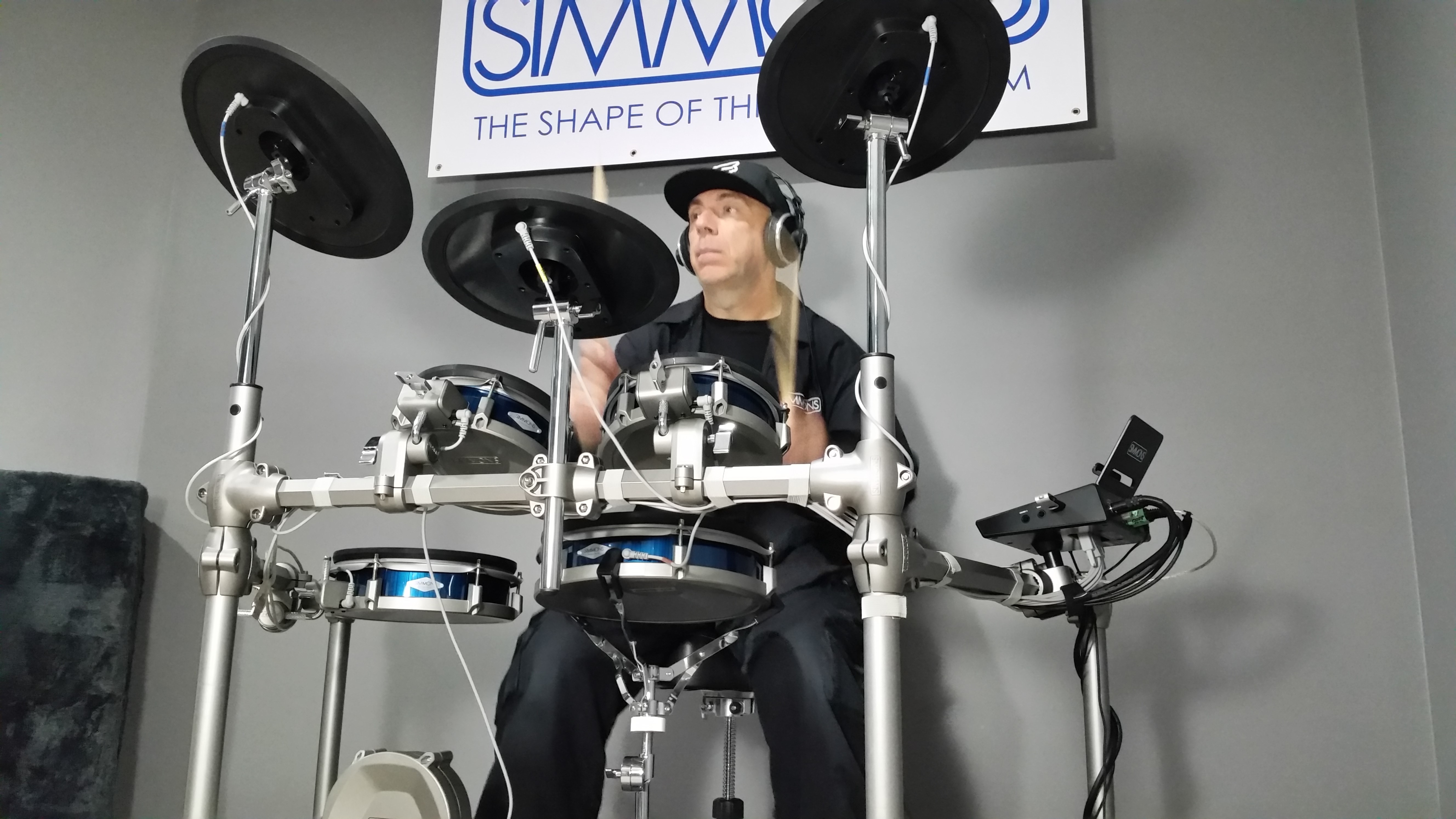
I first started noticing Alain on videos about the Simmons SD2000, and SD1200 on the official Simmons Drums YouTube channel, as well as his own channel. Since I had been in contact with the good folks at Simmons for the past year or so, I asked them if they would mind hooking me and Alain up so I could learn more about him.
What I got was a great written interview to be posted here on alternativedrummer.com, as well as an hour and a half of some great interviews over Zoom!
Did you have a hand in helping develop the SD2000?
Yes indeed! There’s some of me in that kit. Shortly after the kit was released for sale, I had the honour of working closely
with Dave (Simmons) to test and evaluate the kit for the purpose of exposing firmware bugs and OS issues and to get a
feel for the controls and user experience all the while filming the SD2000 product videos. We put it through many
rigorous hours of patch editing, function tweaking, sample loading and dumping, custom kit creating, MIDI testing… we
left nothing untouched. The videos were produced and published soon thereafter, however we continued to test and
suggest revisions be made to improve the kit’s functionality, controls, kits and overall playability. A few weeks and
several firmware versions later, I was called on to evaluate and tweak the onboard factory patches to “dial them in” a
bit. This included making changes to drums and samples that were used in some kits, slight adjustments to EQ, velocity
curves, panning, drum and cymbal volumes, applying subtle velocity controlled pitch and volume envelopes, panning,
etc. These were not major tweaks for the most part, but once applied we believed the kit sounded and played better…
there was more “realism” and randomness to how the drums sounded and behaved. The final firmware revision I had a
hand in included the newly tweaked set of factory kits, a more stable OS capable of lower latency, improved cymbal
decays, and hihat playability. To this day, it remains my favourite kit in the new line of Simmons kits… mostly because of
the look I think.. lol. I’m a long-time fan of the hex pad design, and I love how Dave integrated that unmistakable 80’s
shape into the SD2000 pads, giving them slight curves. I thought this was a brilliant design, one that bridged the 80’s hex
shapes with the modern round pad shapes. I absolutely love playing on any drum… electronic or acoustic… that looks
and sounds different, and the SD2000 fit the bill nicely. :-)
Why do you think it failed?
Sales figures and market acceptability dictate what is deemed a success or failure… the harsh truth in today’s highly
competitive ekit arena… whether a new kit is great or not and we as drummers like it or not. To be honest, I never
envisioned the SD2000 failing, but rather the opposite. I truly believed this was a kit that modern electronic drummers
and especially those fans of the 80’s Simmons kits would welcome and endorse. Unfortunately, it wasn’t to be the case.
Based on numerous comments, discussions with drummers and feedback gleaned from social media, it appears the
unique look of the kit itself was enough to scare many away. Some arrived at their decision to snub it based on images
seen in magazines and online ads, never actually seeing it up close or playing it. Some suggested the sounds “sucked”
despite not actually having even heard them… true story! Some suggested that Simmons was desperate and attempted
to revive their hexagonal shaped past with the design hoping to cash in -- this apparently a travesty serious enough to
warrant keeping people away from it! Some stayed away fearing embarrassment if seen playing it, let alone on a stage.
Of those that actually did sit behind the kit, some felt the drum sounds and sample sets were lacking realism; some felt
the pad and cymbal feel and response wasn’t right; that the console operations were clunky, complex and difficult; that
the pad tension-lugs heads were not seated deep enough in the rubber rim, and so on. Were opinions and comments
such as these frequent and deemed valid enough to influence drummers to ultimately pass on the SD2000? Who
knows… But, I imagine there continues to be negative chatter online pertaining to the SD2000… some claims perhaps
more valid than others depending on what the individual’s needs for an ekit are.
Personally, I find the kit and pads quite nice to play. I love the unique look. Like many other ekits both past and present,
the SD2000 has a personality of its own and is at times temperamental… some things need to be done in a certain
manner for it to behave. (Side note: the Simmons SDX comes to mind… it is a gumpy old beast that needs to be
pampered and coddled, otherwise one is left having to deal with the equivalent of a 30+ year old child throwing a
tantrum). It has limitations and is no way a “perfect” substitute for an acoustic kit, nor should it be. I always shudder
when I hear drummers comment on an ekit that doesn’t play or sound like traditional drums. Nor should they. My belief
is that ekits are their own breed, and while manufacturers strive to design and produce ekits that come closer and closer
to sounding, looking and behaving like acoustic drums, they are still electronic instruments meant to stand on their own,
much like an electric and acoustic guitars do. With ekits and electronic instruments in general, anything is possible…
including new designs, new looks, new sounds, new geometries, new concepts… but at the end of the day, a community
of musicians ultimately dictates what manufacturers are forced to produce in order stay in the game.
What got you interested in playing electronic drums?
Perhaps it was the percussive and melodic sounds produced by banging on pots and pans with a wooden spoon when I
was 4 years old? Lol. To be honest I don’t recall ever being completely satisfied with just “drumming” as it were. After
having worn out my Pink Floyd records from playing along to and learning to maintain robot-like meter from Nick
Mason, I soon came upon the music of Yes, Genesis, Tangerine Dream, Kraftwerk, Jean-Michel Jarre and numerous
other lesser-known but synth-laden electronic and prog groups. I was captivated by the sounds of the electronics in the
music and sought to discover as much of it as possible. Then along came Gary Numan and things got real serious. I was
now determined to create and produce my own electronic music, somehow, some way. I would skip school with a mate
every so often, opting instead to visit the local music shops. Keen Kraft Music, as it was called back then had a “new”
monophonic Moog synth that indeed produced many of the sounds and noises that I had heard in all those albums. I
needed one of these! Then the ARPs showed up and they were pure magic but like the Moog completely unaffordable.
Eventually, as technology evolved and the prices on electronic instruments became less outrageous, I was finally able to
buy a Synare3 electronic drum, the black saucer shaped one, and proceeded to extract every possible inch of sound the
thing could produce. With the Synare synth now at my disposal, the bandmates and I recorded a plethora of mostly
noise and poorly written tracks and ideas to an old semi-functional reel to reel machine. Great fun! In addition, we
fashioned a makeshift voice box using a horn speaker element and washing machine hose that produced a guitar-vox
sound similar to the real thing Peter Frampton used in the day. We were truly an electronic prog band, lol.
King Crimson - Discipline, Three of A Perfect Pair, Beat -- everything changed yet again for me when I first saw “that” ad
in Modern Drummer. You know the one... it featured a picture of Bill Bruford sitting behind some hybrid looking
monstrosity of a kit complete with these yellow flat plastic hexagon things posing as drums. Everything Bill did with Yes,
but especially in King Crimson on those three albums in particular and on the first Earthworks album was simply brilliant.
He showed us how a drummer can be more than just a beatbox or time keeper -- that, with the electronics, the
drummer could also contribute melodically to the overall sound of the group. The Simmons electronic drums allowed us
to do this! We could play melodic polyrhythmic patterns or harmonies along with the guitars and keyboards using our
hands while keeping time with the kick on the right foot and a Simmons bass pad on the left foot triggering an electronic
snare-like sound. This was fantastic!! I had to own this! I was eventually able to afford an SDSV kit with yellow pads (of
course) and try this very thing myself. I’ve never looked back.
What e-drums do you currently use in your studio setup?
Over the years, I was fortunate enough to accumulate a decent assortment of Simmons gear. Much of it remains racked
to this day and used in my live rigs and some of it is safely packed away. Some bits never leaves the safe confines of the
studio for obvious reasons, including my coveted and very grumpy SDX #177 and Simmons SD1200 kit #0001. Various
other Simmons racked bits include three fully loaded SDS7s, two TMIs, two MTMs, an SDE, an SPM 8:2 and three SD2000
modules. Recently I was fortunate enough to review and add the new and impressive line of Simmons amplifiers to the
list. The kits never sounded better!
I guess you could call me a Simmons ‘keener’ because I never strayed from the brand. The Simmons modules and
instruments delivered all I needed to pursue my goals as an electronic drummer and electronic music creator. I played
the Rolands, the Yamahas and others belonging to friends and fellow drummers, but I never once felt compelled to
abandon the Simmons. While they might have offered a more realistic emulation of acoustic drums, never once did I
want… nor do I want my e-drums to sound like acoustic drums! (I’ve got acoustic drums that do it very well already).
I especially dig the analog uncertainty of the Simmons V’s, and the graininess, grunge and filtering offerings of the SDS7.
For me, these represent what ekits are all about…. trying new and uncomfortably non-traditional things, pushing the
envelope, triggering unconventional sounds…. because we now could and still can. As mentioned, I never considered
replacing the Simmons gear with anything else, but I did however add a few pieces by way of a Nord Drum v1 and v2, a
Nord Pad, Zildjian Gen16s, and subscriptions to a few of the more functional and creative VSTs including the Aly Labs
VSDS-X in order to trigger their sounds from the studio rigs. Beyond that it has been strictly Simmons the entire way.
Currently, my “go-to” live rig for Voice Industrie consists of the following bits:
3 x Simmons SDS-9 dual-trigger pads
2 x Simmons SD-2000 dual-trigger pads
Simmons SD-2000 Controller Console
The occasional SD2000 Cymbal pad or two, depending on the gig
Simmons SDS-7 Brain with 12 Cards of "assorted" sounds
Simmons MTM
Simmons SDE
Nord Drum v1
Nord Drum v2
Nord Pad
Access Virus TI Polar
Gibraltar Rack
And, depending on the gig and stage, I will sometimes opt to include my Brufordian ‘wall of SDS9 pads’ in the live rig
Do you prefer hardware over VSTs for drum sounds?
I don’t really prefer one over the other per se, but I find myself using predominantly VSTs for writing and producing
tracks on the DAW, while opting to trigger the hardware in live situations. I think both methods serve us equally well.
Both platforms can offer great sounds and interfacing flexibility and be chock full of available features and functionality.
However, I personally don’t fully trust a Laptop to deliver triggered VST sounds efficiently and consistently during the
course of a show. I see and read about other drummers successfully triggering VSTs from a Laptop live but I’m not as
confident yet, lol. More on Laptops in a bit. :-)
What do you think is different about performing music today compared to the 90s?
For me, not much has changed in how we deliver our live performances. I say that because since 1989, Voice Industrie
employed electronic instruments and a MIDI sequencer and DAW to deliver a live performance. Triggering sounds
residing on the voice modules, synths and samplers over MIDI was on stage was how we did things then. For as well as it
worked for us in the studio, it became challenging at times to keep it all together in live situations mainly due to the
vulnerability of the computers and some of the gear. Bad or noisy stage power was always a concern, which typically
resulted in gear rebooting mid-song, MIDI patch changes not being sent or received properly… I recall once a power
surge caused my stage mixer power supply to burn up moments after we finished an out of town show. Had it occurred
during the course of the show, we would have been forced to stop, pack up and go home. Technically, we were literally
at the mercy of the machines. Suffice it to say that I always had a feeling of great relief nearing the last few minutes of
the final track in a set, especially one that went the duration without any technical issues. To this day I still breathe a
sigh of relief at the end of shows, but issues such as those back in the early years are less likely to occur due to more
robust gear, Uninterruptable Power Supplies and high quality Surge Protection Bars. Modern day performers have a
reasonably easy time of it now, generally speaking.
Musically, anything goes now. I recall having an informational disclaimer printed on the poster of our first ever live Voice
Industrie performance that read something like ”all electronic dance music band” to inform but also discourage anyone
from expecting to see a conventional guitar/bass/drums/vocalist offering take the stage. I recall a post-show review in a
local paper that described the smoke drenched stage with our massive amounts of gear idling on it prior to the show as
“ominous and alien-looking with computer screens lit up and hexagonal pods waiting to be struck to life”. Lol. Fast
forward to 2022 and this type thing would be deemed pedestrian.
I think also that there are fewer clubs to play at now compared to back then. Locally anyway. And the ‘core’ offering of
musical genres that existed back then have morphed and spawned a multitude of sub-genres that exist today. As such,
local clubs now are less likely to discern between who can play what and where, unlike in the 80s and 90s where the
genre pretty much dictated this. Obviously, there were and are exceptions. Performing is easier now, especially with the
help of affordable in-ear monitoring systems, Wi-Fi and Bluetooth, and reliable instruments and tools that implement
the latest advances in technology. I think that generally speaking musicians and audiences are more technically savvy
now too. It is now completely acceptable to have one or two people, musically trained or untrained, take to a stage with
a Laptop or pad controller and deliver a machine assisted hybrid-live performance. Now, one would not bat an eye at
seeing a ‘band’ consisting of a DJ and electronic drummer on a stage pounding out the beats. Next up, how about a
drummer duo performing room shaking electronic rhythms and ethereal melodies? Why not! Anything is possible
especially now thanks to the creative minds of visionaries and pioneers like Dave Simmons. In my opinion as a drummer,
to not take advantage of and explore those possibilities at least once is limiting oneself to being a mere timekeeper.
What are your musical plans for the future?
Currently, I have several studio projects on the go at various stages of completion that include film soundtrack works,
drum and bass tracks and new material for an 8th Voice Industrie album. We are doing a show in December, our first
since 2019 so I have a bit of work to get that prepared. I’ll be using a new Laptop to manage the sync’d video, the audio
beds, dynamic mixer levels and MIDI for the first time so it’s always a bit nerve wracking to rely on new but “unproven”
gear for a live production. I may have to spin up an old and temperamental but proven DAW to use instead, lol. Many of
the tracks we perform were released in 1989, so I like to change them up a bit every so often just to keep things fresh
and different from the album versions. When time allows, I continue to rummage through hours of raw footage taken at
our shows from 1989 to 2019 to ultimately produce the “Voice Industrie 30-years live” video. I also plan on writing a few
tracks and performing them with select members of a Taiko Drum outfit using my Simmons rig. We had this Taiko trio
perform a few Voice Industrie tracks with us on stage live in 2019 and I absolutely loved how the Taiko drums and the
electronics blended together. Pure, thundering magic!
There never seems to be enough hours in a day, but I look forward to taking advantage of the time I do have to explore
what may be possible from my perch behind an electronic drum kit.
:-)
Sunday, November 6, 2022
22 custom kits for the Roland TD-6
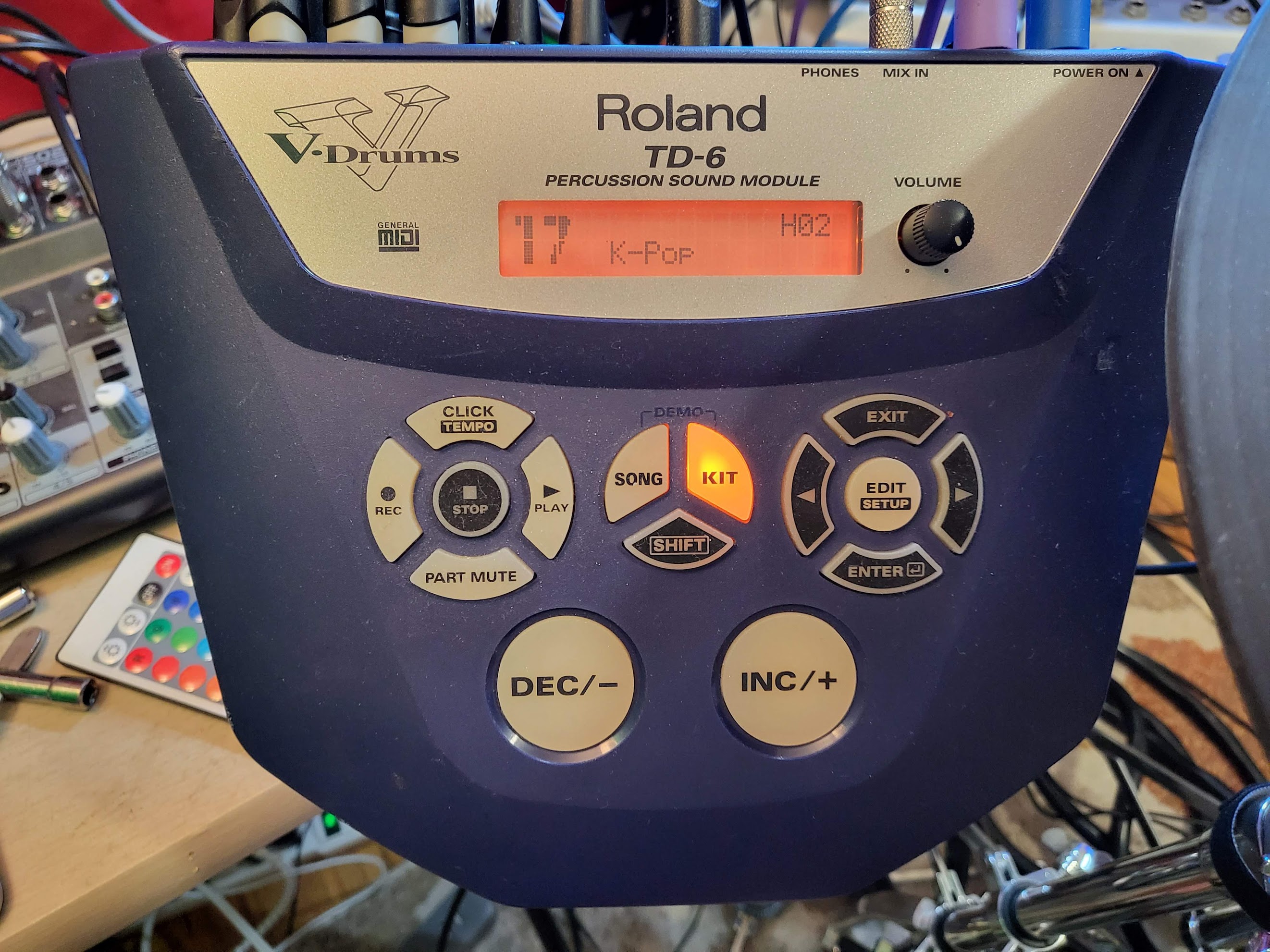
This first video shows all the patches so you can hear what they sound like.
This second video shows you how to transmit them. BACK UP BEFORE INSTALLING ANYTHING!
Monday, October 31, 2022
No fancy drums, sitting on a broken office chair, and still ROCKS!
I stumbled across this awesome cover by Bunsu from Chile playing a track by The Mars Volta. Though he doesn't use any e-drums, I still think this was very worthy of an Alternative Drummer Post! Look at that snare stand too! It's like a broken tom with the snare just sitting on top of it! T-shirts for cymbal felts, and 100% amazing! Watch this awesome drummer play! Let's get him some more subs too!
Friday, October 28, 2022
Alternative Drummer Profile: fulkramick
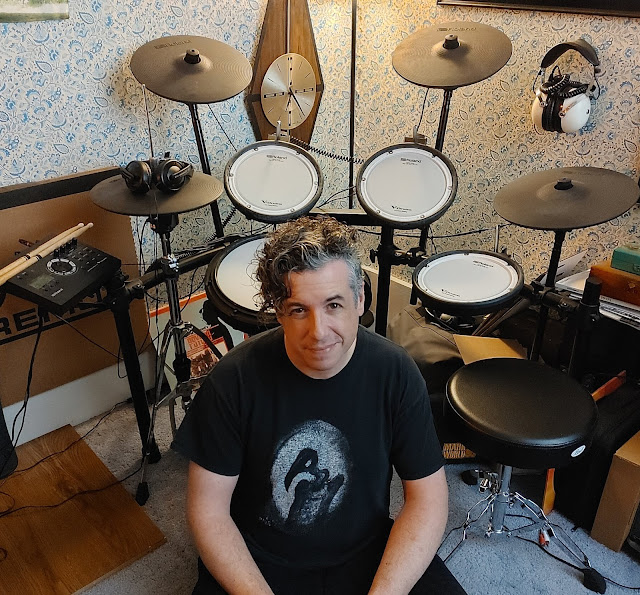
Meet fulkramick (NY, USA)
What is your current e-drum setup? Please be as specific as possible.
I am using the Roland V-Drums TD-17KVX kit with an Iron Cobra 600 single kick pedal, a Yamaha HS740 hi-hat stand, hitting it all with Promark 5B nylon tip sticks, monitoring with Sennheiser HD 202 headphones and sitting on a standard Pearl drum throne.
How do you record your e-drums?
I usually record drums first for a track, so without needing to hear any other sound source, I simply record direct to an SD card in the TD-17.
You mean you recorded this song without hearing any music or any idea what the music would sound like?
Yes.
That's crazy!
How did you approach making this video?
I thought about what I like about watching playthroughs - being able to see the stick work and foot technique. I play my kick "heel down", where the majority of drummers are "heel up", and I do enjoy seeing (what to me is) something different.
What does fulkramick mean?
fulkramick, as an artist name, is the umbrella under which I make music by myself. While I play and perform in several bands and find that experience very dear to me and my expression, being able to say everything vocally and on the instruments I'm using helps push that personal expression in a way I may not ask of the talented people I make music with. With them, my ideas are always embraced and worked with, but having that conversation with yourself about what does and doesn't work is its own growth-driven challenge. To me fulkramick is, at its core, an intensive on that personal expression.
Why did you decide to start playing e-drums?
It was a dark and stormy winter (as always where I live) and the rehearsal space I am fortunate enough to play at can be a challenging drive in the snowy months. It was starting to discourage me from playing drums outside of band practice, so I started researching what I thought could be a good alternative. It is never fair for drummers, really, that a guitarist could practice in their bathroom but they have to have a space typically not at their home.
What do you like about e-drums compared to acoustic?
I had sat down behind an e-kit about twenty years ago with no sticks, having to use turned around salad spoons for that jam session, so my expectations were not high. I was immediately surprised with the feel of the e-kit that I play on. The mesh heads are tactile and not overly responsive like I was afraid they would be, and the cymbals on this kit have a choke feature which I think is just neat. Compared to the acoustic setup, the hi-hat does seem to lack the nuance I am used to, but I am adjusting. I made sure to use the same model kick pedal for that muscle continuity between these and my acoustics. What I like the most so far is how every pre-loaded kit inspires a different set of ideas or rhythms, each one turns a dial in your mind for an instantaneous new perspective. For recording thus far, I made a user-kit modeled on each drum and cymbal of my acoustic with the same sizes and material (steel snare, wood toms, etc.) There is so much more to explore with it. As much as I love and will continue to play on the acoustic kit, I am super happy that I could now technically practice drums in the bathroom like those lucky guitarists (and even luckier shower singers).
Where can people find more of your work?
Solo work can be found at: fulkramick.bandcamp.com and on your preferred streaming service (Spotify, iTunes, etc.). I hope to have an album done using the Roland TD-17KVX by mid 2023. For my acoustic drumming in the band Heretofore: heretoforemusic.bandcamp.com (new record coming in 2023). I also play bass in Level:Memory - levelmemory.bandcamp.com and drums in the band: The Sound of Stars Communicating (recordings available in 2023).
Wednesday, October 19, 2022
Simmons SD1000 / SD1500 Most Underrated Drum Module
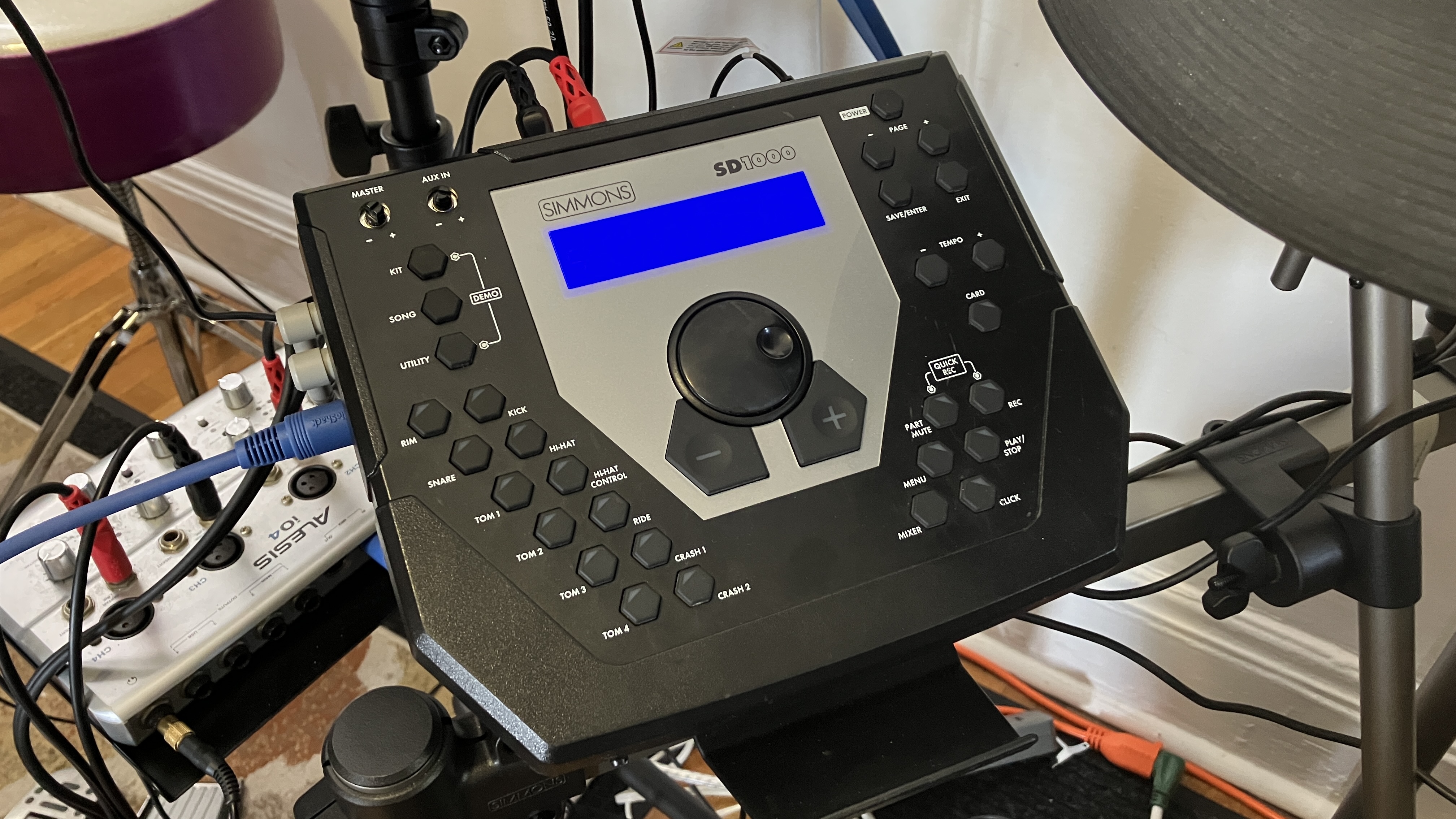
I recently picked up this Simmons SD1000 drum module, and I was pleasantly surprised at how freaking amazing this thing is! To give you a bit of background, the SD1000 originally came out in 2012, but was also included in the SD1500 drumkit which came out in 2014, but with a firmware update that expanded upon its already impressive features (more on that later).
The SD1000 was the post-Guitar Center acquisition of Simmons, and previous to this module, they had mostly only released repackaged / rebranded Medeli drums. However the SD1000 was the first real attempt at a flagship e-drum since the 1980s for Simmons. The drums themselves were a forgettable assortment of rubber pads, with a fairly decent drum rack. However, the module that came with the SD1000 was packed full of great features only seen on Rolands and Yamaha modules at that time, such as dual zone snare, dual zone cymbals, SD card reader, onboard MIDI sequencer, FX, and a whopping 519 voices + 100 internal songs, as well as the ability to save user kits to the module, as well as to an SD card.
The SD card can also be used to play MIDI files using the SD1000's internal MIDI sequencer. You could also record directly to the MIDI sequencer with the drums or even an external MIDI controller to play it's onboard voices like piano, guitar, bass, synth, and percussion! You can even quantize MIDI with this thing! The internal sounds are really not bad, and it really excels at electronic type sounds. There are a plethora of vintage original Simmons sounds, plus 808s, 909s, and lots of other great sounding electronic tones. There are also some really good acoustic sounds! The vintage Simmons samples are some of the nicest I've heard outside of an actual SDS kit.
With the 1000 firmware update this thing really turns into an awesome beast of a module. The update expands the snare to 3 zones (center, rim/center, and rim) this allows you to play center sounds, rimshot sounds, and cross stick sounds all from the same drum without changing settings. This works on a standard 2 zone snare. Tom 4 is also expanded to 3 zones in a similar fashion, and can be used to trigger midi sequences, or a 3rd sound from the pad. The update also expands the ride cymbal to a 3 zone ride over a single cable, makes all other toms dual zone, makes all the other cymbals dual zone and chokable, and improves hi hat dynamics, as well as adds some new voices to the module. It's crazy they were able to cram this many updates into a single firmware update, but they did.
Some warnings on the update though: DO THIS FIRST! Don't even create any custom kits or anything until AFTER you update the firmware, because YOU WILL LOSE EVERYTHING! I found this out the hard way. Backups made on the old firmware will not work on the 1500 firmware, so make sure if you get an SD1000 module, you update the firmware immediately before doing anything else.
At the time of writing this post, these modules, while not exactly abundant, they are very affordable. Between $10-$150. Make sure you get one with a snake though, because I've noticed the snake doesn't seem to have the same wiring of any of the other drum modules I have. However, it does seem to work on most Simmons/Roland style pads.
The module also features two expansion ports, standard MIDI input and output, USB MIDI I/O, Headphone Jack, L/R Master out, aux input, and powerful metronome.
Tuesday, October 18, 2022
Dario Rossi from Italy takes "Bucket Drumming" to a completely new level!
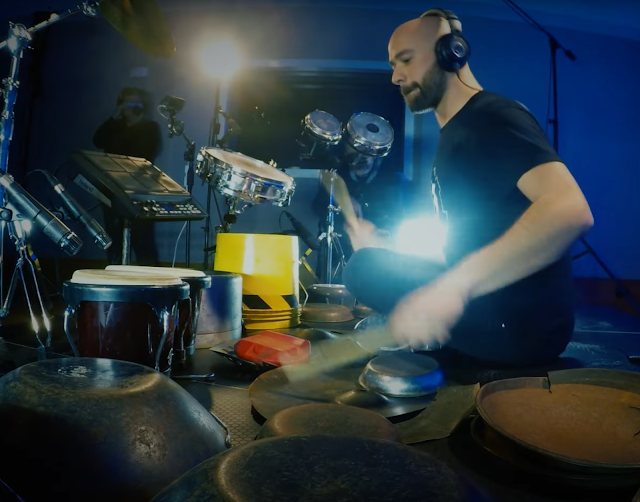
Since I live in NYC, it's not uncommon for me to see a "Bucket Drummer" on the street or in the subway, and quite honestly in my 10 years of living in the city, I have never seen ANYONE with the insane skills for this artform as Dario Rossi from Italy!
What is really amazing about this is not only is he using a variety of pots and pans, buckets, bowels, broken cymbals (and non-broken ones), he also incorporates real drums like a piccolo snare drum, roto toms! In addition to that, this is a "Hybrid Bucket" setup, haha. Two of those buckets are actually housing some Roland mesh drum pads that are being fed into his Roland SPD-SX.
The end result is a completely infectious hard techno groove played with relentless precision in this highly enjoyable video!
Thursday, October 13, 2022
The REAL Reason Eric Singer of KISS uses triggers on his drums (it's probably not what you think)
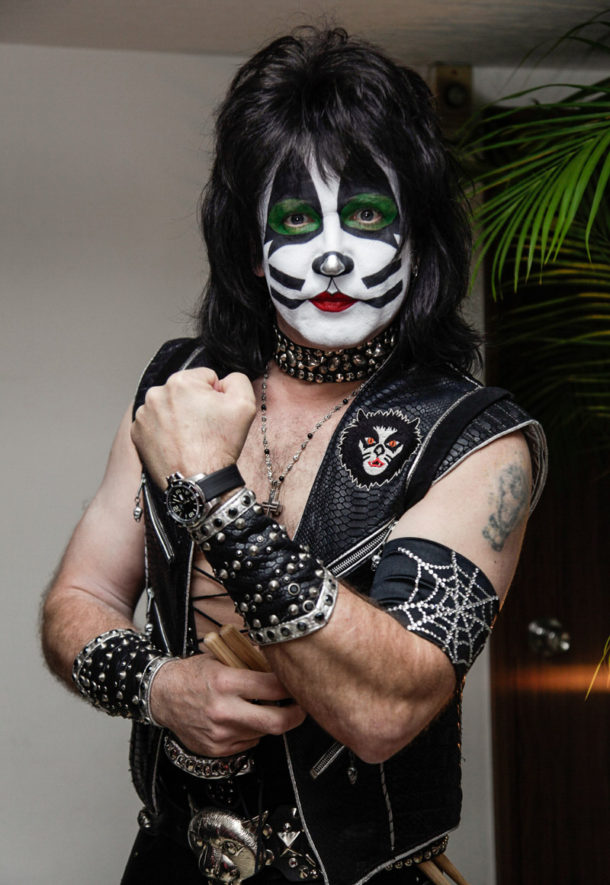
Eric Singer is the 3rd drummer of KISS, yet has been playing for the band longer than anyone else at this point. To say the guy knows his stuff is an understatement. Check out this amazing video by Modern Drummer where Eric gives the full rundown of his current vintage/modern Pearl drum kit. He goes over the shells, lugs, cymbals, heads, and even the cowbell he's using!
What I found really interesting was his use of ddrum Pro Elite drum triggers along with a no longer in production ddrum D4 drum module. Instead of processing his drum sound through the front of house, it's strictly for the stage monitors. Himself and the rest of the band find that triggers are more consistent and easier to deal with on stage than having to worry about getting the perfect monitor mix night to night on different stages! Pretty neat!
Subscribe to:
Comments (Atom)
-
 The Alesis Nitro Mesh Electronic Drum Set is probably the best electronic kit for the money, but the manual is strangely missing a lot of in...
 -
 I get asked this all the time. What are the best electronic drum modules to buy for acoustic to electronic drum projects? Can you just use t...
 -
 This will help you select the correct pad while mapping your drums in Clone Hero.